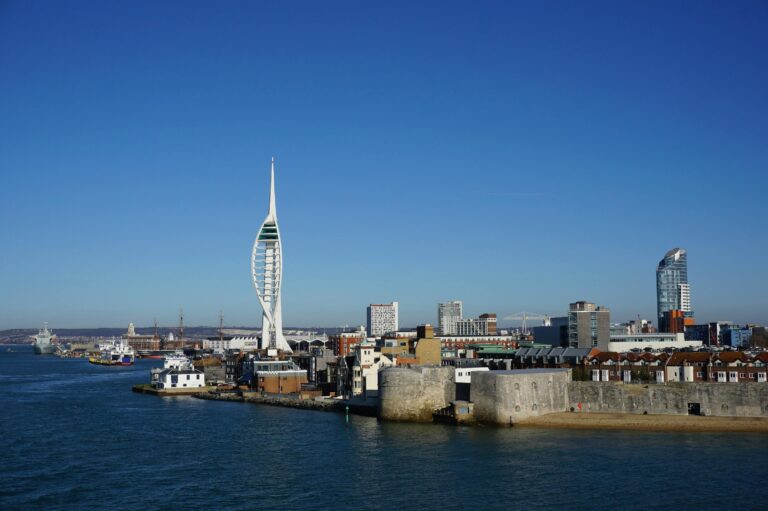
Most property investors focus on cities. Manchester, Birmingham, Leeds, maybe Portsmouth or Southampton. The Isle of Wight rarely makes the list. That is a mistake.
The Isle of Wight has a property market that operates differently from the mainland, and that difference creates opportunities for investors willing to look beyond the obvious.
Here is why the Isle of Wight deserves a place on your radar in 2026.
The island advantage
The Isle of Wight is not a commuter market in the traditional sense, and that is precisely what makes it interesting. Because it is not competing with London commuter towns, prices remain accessible while demand stays consistent.
Average house prices on the island are around GBP 260,000, significantly below the South East average. Rental yields in good locations range from 5% to 8%, with HMOs and holiday lets performing especially well.

The island has a permanent population of approximately 140,000, plus a significant seasonal influx of tourists, second home owners, and visitors. This dual demand base creates a resilient rental market.
Why investors overlook the island
The main reason investors ignore the Isle of Wight is perception. It feels remote, even though it is not. The ferry crossings from Portsmouth and Southampton take less than an hour. The hovercraft from Portsmouth takes just ten minutes.
Other reasons investors miss the opportunity:
- They assume the market is only about holiday lets. It is not.
- They do not know the areas well enough to invest confidently.
- They underestimate year-round tenant demand from locals, NHS workers, and the growing remote worker population.
- They assume property sourcing agents do not cover the island. Some do.
At Xelox Properties, we source deals across the Isle of Wight alongside our Portsmouth and Hampshire portfolio. The market is accessible, and the fundamentals are strong.
The three markets on the island
Residential buy to let
The island has a genuine housing shortage. Council waiting lists are long, and affordable housing is in short supply. This creates consistent demand for rental properties, particularly family homes in areas like Newport, Ryde, and Sandown.
Yields on standard buy to let properties range from 4% to 6%, with lower entry prices meaning your capital goes further than on the mainland.
HMOs and houses in multiple occupation
HMOs on the Isle of Wight can deliver strong returns. The island has hospitals, colleges, and tourism-related employment that generate demand for affordable room rentals.
A recent example is a licensed 15-bed HMO on the island that sold with an annual income of approximately GBP 99,000, reflecting a gross yield of around 16.5%. That is a serious return by any standard.
The key is finding properties that are already HMO-compliant or suitable for conversion, and understanding the local licensing requirements.
Holiday and short-term lets
The Isle of Wight attracts over two million visitors per year. Holiday lets in coastal areas like Ventnor, Shanklin, and Freshwater can generate premium returns during peak season.
However, holiday lets are not passive. They require active management, higher turnover costs, and careful attention to seasonality. For investors willing to put in the work, the returns can be significantly higher than standard buy to let.
Areas to know
- Newport: The island’s main town with the best amenities and transport links. Good for buy to let and HMOs.
- Ryde: Popular with commuters using the fast catamaran to Portsmouth. Strong rental demand.
- Sandown and Shanklin: Coastal towns popular with tourists and second home buyers. Holiday let opportunities.
- Ventnor: Premium coastal market. Higher prices but strong capital values.
- Freshwater and Yarmouth: Western end of the island. Quieter but popular with families and remote workers.
What to watch out for
The Isle of Wight is not without its challenges.
- Ferry costs: Crossing costs add up if you are managing a property yourself. Factor travel into your model.
- Seasonal demand: Holiday lets are quiet in winter. Budget for lower income between November and February.
- Limited stock: The island has fewer properties on the market at any time. You need patience or a good sourcing agent.
- Local knowledge: Not all areas perform equally. Working with someone who knows the island matters.
Final thought
The Isle of Wight is one of the most overlooked property investment markets on the South Coast. Lower prices, consistent demand, and a genuine housing shortage create opportunities that investors focused on big cities are missing.
Whether you are looking for buy to let, HMOs, or holiday lets, the island offers options that stack up.
Xelox Properties sources deals across the Isle of Wight alongside Portsmouth and Hampshire. If you are curious about what the island could offer your portfolio, let us talk.
Contact Xelox Properties today.